





































10% off on your first order*
You will also be able to have preview access to all the news and future promotions from the Pineider world. *The welcome code cannot be combined with other ongoing promotions.

To trace the roots of Pineider, a company that embodies 250 years of Italian artisanal elegance, we have to begin by imagining the Pinei mountain pass at the close of the eighteenth century.
We are at the foot of the Sciliar massif, between Castelrotto and the Alpe di Siusi, in the Val Gardena. Before these tranquil highlands became part of Italian South Tyrol in 1919, before tourism, before the invention of recreational sport, Pinei was a hamlet in the lower Austrian Tyrol, a handful of inhabitants spread across a south-facing slope gentle enough for growing grain. These were mountain farmers who raised barnyard animals and carved wood, not to sell souvenirs but for domestic use. A few scattered farmsteads, a few interrelated families, a small chapel for the devotions of the local faithful. They spoke Ladin, a hybrid of Celtic and the Vulgar Latin brought by Roman soldiers who, under the general Drusus, had conquered this corner of the Alps in 15 BC.
The South Tyrol of the 1700s, and for another two centuries after, was governed by the law of the closed estate, the Maso Chiuso. To preserve the integrity of farmland, when a father died his sole heir was his firstborn son. Younger brothers could accept a buyout and seek their fortune elsewhere, or remain on the farm as servants to their elder sibling. It is against this harsh social and physical backdrop that, sometime in the second half of the eighteenth century, a boy named Francesco is born and grows up in Pinei, in the family Pineider.
The era was shaped by the enlightened reign of Archduchess Maria Theresa of Austria, who in 1774 introduced compulsory schooling throughout the Val Gardena, and thus in Pinei as well, for children between the ages of seven and fourteen. To make this possible, she established a teacher's college, effectively creating a new kind of paid profession that had not previously existed: teaching. Had Francesco been born a few years later, he might have become a schoolmaster. But as it happened, in that very year of the Theresian school reform, 1774, young Pineider opened a handsome shop in Florence. We can reasonably assume he did so with the money paid to him as the younger son, bought out by his elder brother, the heir to the family farmstead.
Francesco Pineider was, without question, an adventurous and entrepreneurial immigrant. To open his business, he first had to learn a new language: Tuscan. What a leap it must have been, from the rural life of mountain farmers sleeping in a pile on top of a stove, to the Florence of noble palaces; from the natural cathedrals of the Dolomites to Brunelleschi's dome; from the Adige to the Arno; from peasants to merchants; from the only social life available on Sunday mornings in church, to the drawing-room culture of the Grand Duchy of Tuscany, then ruled by the Habsburg-Lorraine dynasty following the extinction of the Medici line. Francesco opened his business in a fine building facing the Piazza del Granduca, today's Piazza della Signoria, right across from Michelangelo's David. (The masterpiece would not be moved inside the Galleria dell'Accademia until 1873.)
The city block where Francesco set up shop, whose opposite side faced the Loggia del Mercato Nuovo, carried a history of considerable weight. Since the latter half of the fourteenth century it had been home to one of Florence's oldest guilds, the Arte dei Mercatanti or Calimala: merchants who traded in woolen cloth purchased largely in Flanders, England, and the Champagne fairs, then brought to Florence to be refinished, dyed, and softened for resale on the international market. In 1770, shortly before Francesco Pineider's arrival, a decree by Grand Duke Pietro Leopoldo had dissolved all the guilds, except for those of Judges and Notaries, a liberalizing economic act, a sweeping modernization that unlocked labor and commerce by dismantling the guild system. Francesco, who had grown up within the suffocating confines of the closed estate, now found himself in a Florence where trade had always been international, and where Pietro Leopoldo's reformist spirit, fueled in part by the economic studies promoted by the Accademia dei Georgofili, was bringing the Grand Duchy's capital in line with the new rules of production and commerce.
By the end of the eighteenth century, Florence was a vital, modern city, and a crucial stop on the Grand Tour, the cultural and artistic coming-of-age journey undertaken by the European aristocracy. In those years, Marquis Carlo Ginori was commissioning the finest sculptors of the day, along with bronze-casters, plaster-workers, engravers, and woodcarvers, to create designs and models for the ceramics factory he had founded at Doccia. Neoclassical taste reigned supreme, and the city had become an important center for the production of casts and copies of ancient sculptures from the Grand Ducal collections, driven by demand from abroad. European aristocrats wanted their estates adorned with copies of antique statues in bronze, marble, and plaster. Artistic taste had turned toward a kind of heroic austerity, favoring the classical over the lavish ornament of the Baroque. Artists from across Europe came to Florence to study from life. In 1784, Pietro Leopoldo refounded the Accademia delle Belle Arti.
Once the guilds were dissolved, new independent shops opened in the very buildings that had once housed them. Above the Pineider sign, the building still bore the Calimala's emblem: a lunette carved in pietra serena, depicting an eagle with spread wings gripping two bales of merchandise, surrounded by a wreath of Florentine lilies. Francesco's business occupied several spaces within that city block, beyond the two shopfronts facing Palazzo Vecchio. One section was set aside for use as a scriptorium, the room where the copyist worked and written documents were stored.
An eighteenth-century print depicts the shop. A cartouche between the two display windows reads "Francesco Giuseppe Pineider" and, in the center, "successori Peratoner." Above one window: "Chincaglierie", fancy goods. Above the other: "Cartoleria", stationery. Francesco may well have carried a double name, perhaps patronymic. But who was Peratoner? Here, perhaps, lies the key to understanding why our protagonist came to Florence and threw himself into the work of engraver and stationery merchant. Peratoner is a surname from the Val Gardena, derived from the patronymic Pierantonio. It is likely that Francesco had come to Florence to join a fellow villager who was passing on his business. And so Francesco, son of Giuseppe, who would in turn name his own son Giuseppe, began his new life in a grand shop opening onto one of Italy's most celebrated piazzas, thronged with merchants, strolling citizens, and visitors from abroad.
He sold printed calling cards in a variety of typefaces, and was the first to introduce Anglo-Saxon and Germanic letterforms to Florence, already an innovator, already open to the international market. His customers found writing paper, notebooks, travel journals, office supplies, colored papers tinted in the fashionable sky blue of the era, pens, nibs, inkwells, desk calendars, appointment books, and greeting cards. They commissioned birth announcements, wedding invitations, and mourning notices. Nobility required their coat of arms engraved on letterhead, envelopes, and documents. At Pineider, a supremely refined burin-engraving technique was applied to the intaglio printing of heraldic crests, a craft inherited from the Renaissance goldsmith tradition. For dinner parties in Florentine palaces, decorated place cards and printed menus listing each course and its wines became fashionable. Aristocratic weddings were celebrated with "Per Nozze", printed and illustrated commemorative poems. Musical scores for harpsichords, grand pianos, cellos, and mandolins were typeset and pressed onto sheet music.
Alexandre Dumas, one of Pineider's celebrated clients, described Florence in Une annee a Florence as "the city of balls and concerts." Invitations to dinner parties and receptions were printed on family-crested cards or written by hand in elegant script, and fine penmanship required fine paper. In a civilization built on the written word, a full century before the telephone, the tactile sensation of paper, its fragrance, and the quality of its inks were the refined pleasures of a cultured, well-heeled society of citizens and travelers. For these people, stepping into Pineider's shop to choose a paper, a typeface, a vignette, an ink, was a primary and essential pleasure. And Florence's drawing rooms were not only places of entertainment, they were workshops of the written word, where conversations continued in correspondence, in occasional poetry, in dissertations and comedies that were proposed, performed, and debated in the salon before ever reaching the theater, the academies, or the press. Paper and writing were the foundations of all the arts.
Between 1801 and 1814, Pineider's address changed, though the shop stayed put. The Piazza del Granduca became the Piazza Nazionale. Napoleon Bonaparte had occupied Tuscany, handing it to the Bourbon-Parma dynasty. Streets and squares were renamed. The Grand Duchy became the Kingdom of Etruria and, after the Treaty of Fontainebleau in 1807, was annexed directly to France. Before the Habsburg rulers of Tuscany returned following Napoleon's defeat and the Congress of Vienna, the Pineider company, now run by Giuseppe, the founder's son, enjoyed explosive growth. Napoleonic bureaucracy, with its stamps, sealing wax, dispatches, ledgers, and certificates, relied entirely on Pineider. The craftsmen who labored to make each watermarked document and each finished notebook, register, and binder unique were now working at full capacity for the new government and its institutions.
With Napoleon's arrival, what had been a shop became a high-craft enterprise in every sense, one that adopted cutting-edge techniques, refined its printing, worked with typefaces and embossed reliefs, and executed hand-engraved crests and monograms. Within a few years, it had become a supplier not only to the old aristocratic families but also to the rising European haute bourgeoisie and to all the great writers and intellectuals of the age: not just Goethe, who had passed through Florence on October 23, 1786, pausing for only three hours during his Italian journey, but Lord Byron as well, and many others, from Manzoni to Dickens. Each of them, passing through Florence, stopped to stock up on the indispensable tools of their craft, in a shop where purchasing a ream of paper and a few notebooks was as much a tactile pleasure as an intellectual one.
The entrepreneurial adventure of Pineider consolidated with the second generation, and the fame of what had by now become a brand synonymous with quality, and with the social standing of those who used it, crossed back over the Alps from which its founder had come. During the thirteen years of Napoleonic rule, one of Florence's most elite and cosmopolitan salons was that of Louise of Stolberg-Gedern, the estranged wife of Charles Edward Stuart and companion of the poet Vittorio Alfieri. With Napoleon came not only the French but also the Russians, expanding the city's international milieu. Among them: the family of Prince Nikolai Demidoff, and later the Buturlins, and Grand Duchess Maria Nikolaevna, daughter of Tsar Nicholas I. While Gian Pietro Vieusseux, founder of the celebrated Gabinetto Scientifico Letterario, opened his library's rooms to the intellectuals of the day, the Russians devoted themselves above all to parties, grand dinners, and masquerade balls, all occasions requiring Pineider's contribution: monogrammed cardstock for invitations, place cards, musical scores, and occasional poetry composed for the event.
At San Donato, just outside the city, in the Orthodox chapel of the immense Villa Demidoff, the son of Nikolai, Anatoly, was married to Mathilde Bonaparte, Princess of Montfort. Pineider printed the invitations and the musical texts composed by Luigi Gordigiani. A cosmopolitan elite had taken shape in which the Demidoffs, the Poniatowskis, Countess Zamoyska, Princess Galitzin, and members of the new Russian intelligentsia had become entwined with the Tuscan nobility, the Pucci, the Rucellai, the Pandolfini. New coats of arms had to be printed on letterhead, seals, and documents.
In 1837, Stendhal, a regular at Vieusseux's salon, visited the Uffizi, and afterward developed his theory of the vertigo and psychic disorientation that overcame visitors in the presence of the museum's masterpieces. "I had reached that level of emotion," he wrote, "where one encounters the celestial sensations given by the arts and passionate feelings. Leaving Santa Croce, my heart was pounding; life had dried up for me; I walked, fearing I might fall." In 1979, the psychiatrist Graziella Magherini of the Ospedale di Santa Maria Nuova in Florence would name this phenomenon Stendhal Syndrome. In truth, beyond his awe at the works of art, the aging writer was in the grip of a great romantic anguish, desperately hoping to see again the young noblewoman Giulia Rinieri de' Rocchi, who had kissed him and then refused his marriage proposal. He stocked up on notebooks, writing paper, and lined envelopes, and described his inner turmoil thus: "My victories have not given me a pleasure comparable to half the profound unhappiness caused by my defeats."
Horace Mann, an American diplomat and art collector, kept a salon in Florence frequented by the estranged wife of Robert Walpole, renowned for her unconventionality, and by other Anglo-Saxon intellectuals and artists of Pre-Raphaelite, Romantic, and Neo-Gothic persuasions. Pineider supplied Mann and his circle with the raw materials of their craft: English-script letterhead, invitation cards, and postcards bearing reproductions of works of art to be sent back to America and England. Before the invention of photography, the only way to disseminate images of the art-historical treasures was through printed reproductions of drawings.
The poet Elizabeth Barrett Browning, who lived just across the Arno, a few steps from Palazzo Pitti, rarely ventured out, she was in a state of semi-invalidity, worsened by her dependence on morphine. Yet her illness granted her something precious: freedom from domestic obligations in favor of creative liberty. Her rare outings with her husband Robert invariably ended at Pineider, where she would select the finest papers available. On those sheets she composed the verses of Aurora Leigh, in which she called for women's right to vote, and wrote letters to Camillo Benso di Cavour discussing the Risorgimento, whose cause she championed with fierce conviction. At mid-century, Florence was a genuine cultural pole for the artistic elites of the Western world, it played the role that fin-de-siecle Vienna would play next, followed in the early twentieth century by Paris, which was in turn supplanted by the London of the Swinging Sixties, and later by the New York of Andy Warhol and Pop Art.
But returning to nineteenth-century Florence: the Trollopes arrived too, that celebrated family of English novelists (whose Anthony's sprawling novels are enjoying a revival today). Did they bring along Thomas Hardy and George Eliot, their literary friends who came to visit them, to choose bags and papers and nibs? According to an American chronicler of the era, during the post-Napoleonic Restoration Florence was composed of "roughly one third Florentines, one third English, and the remainder Russians, Germans, French, Poles, and Americans in equal parts." Florence welcomed everyone "with open arms, asked no questions, and demanded no credentials", a perfect refuge for political dissidents, for eccentrics, for those who had left scandal and misfortune behind in their home countries and were rebuilding their lives along the banks of the Arno. And certainly they all met at Pineider, where travelers could also purchase leather writing cases and portable desks.
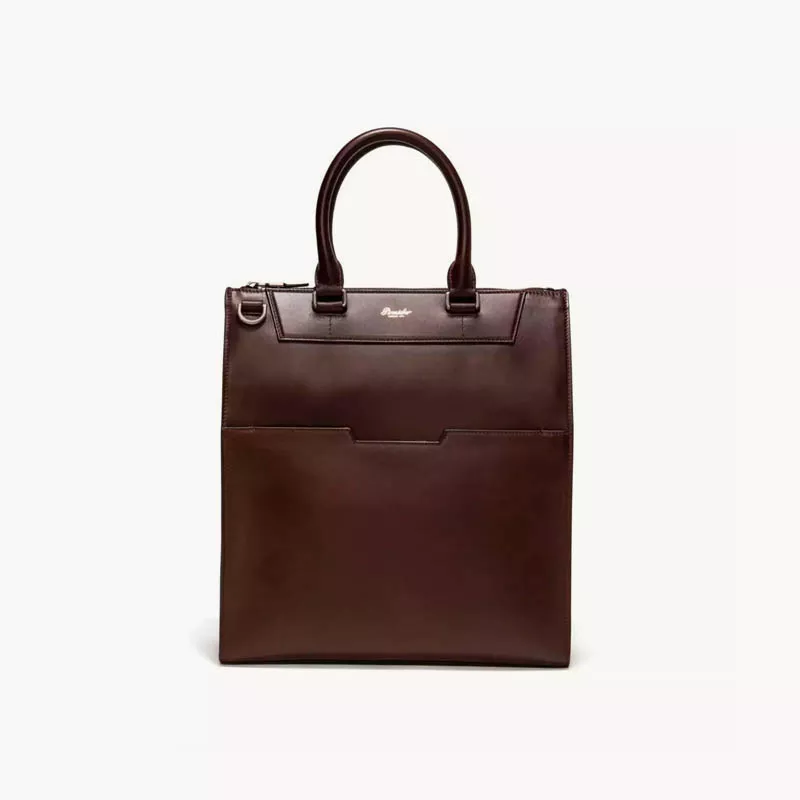
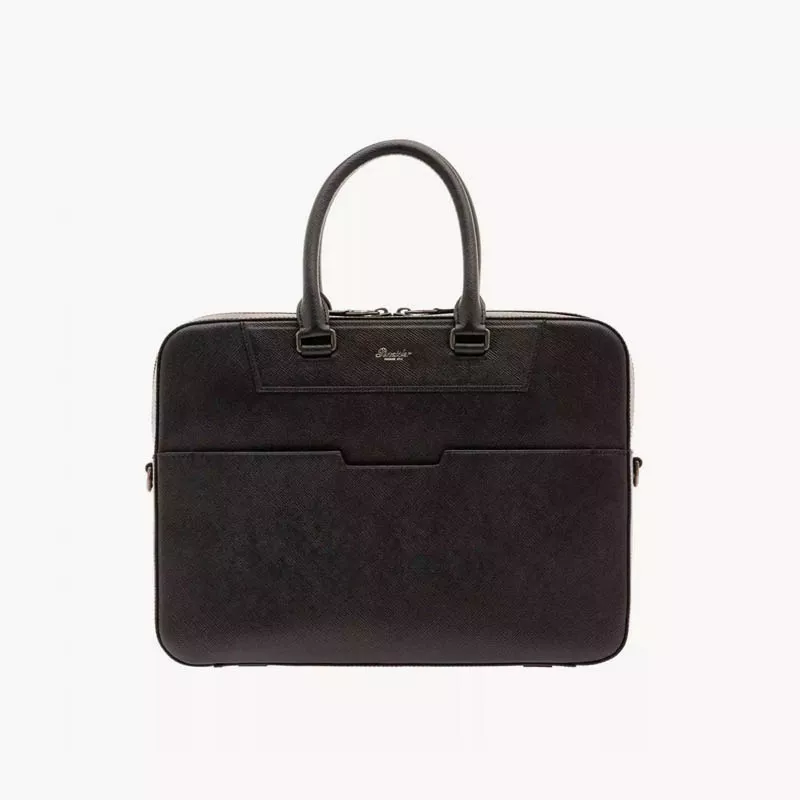
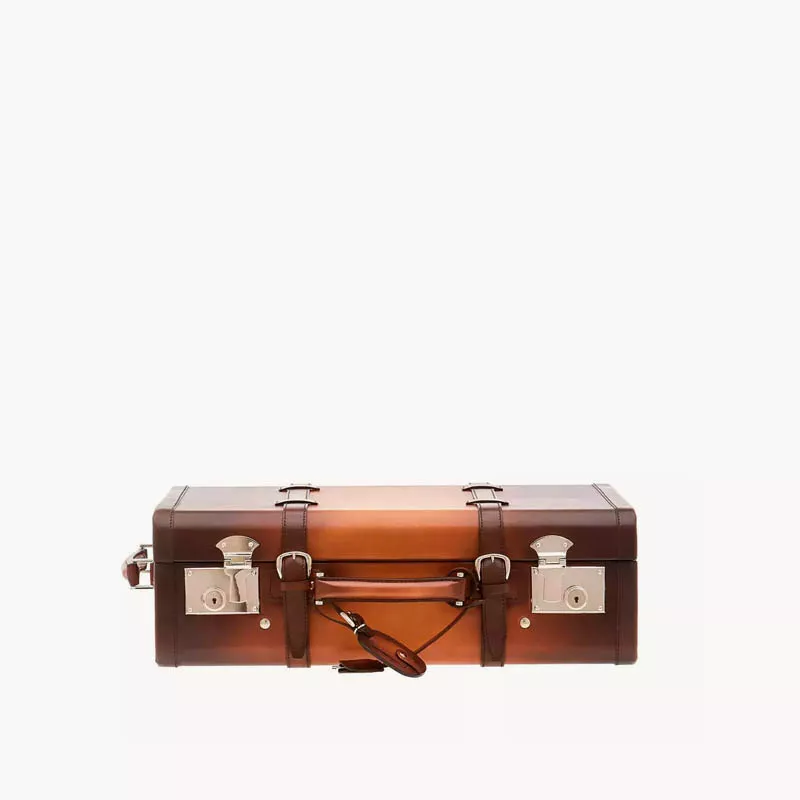
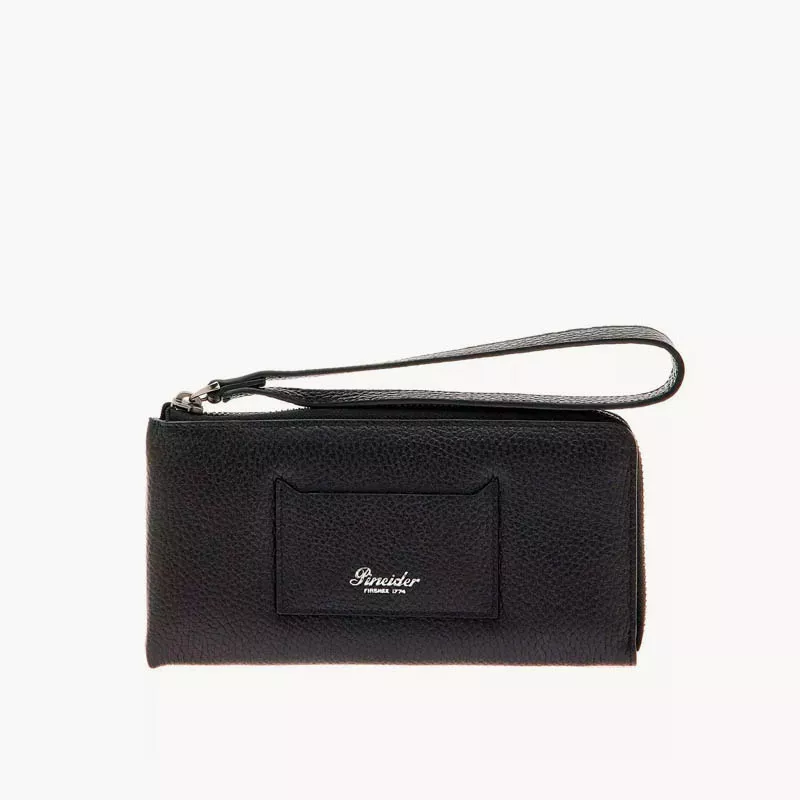
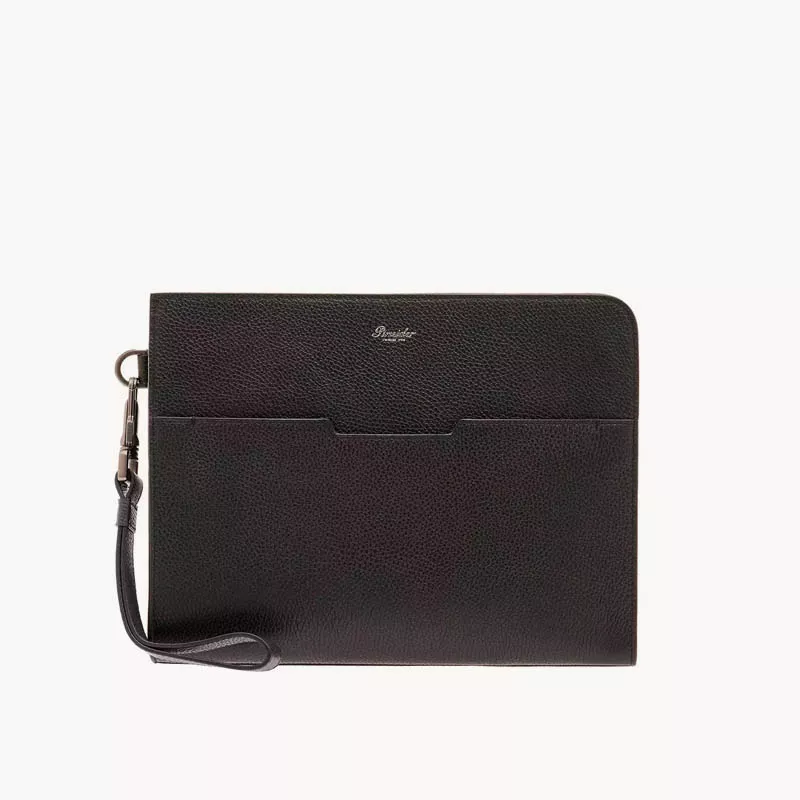
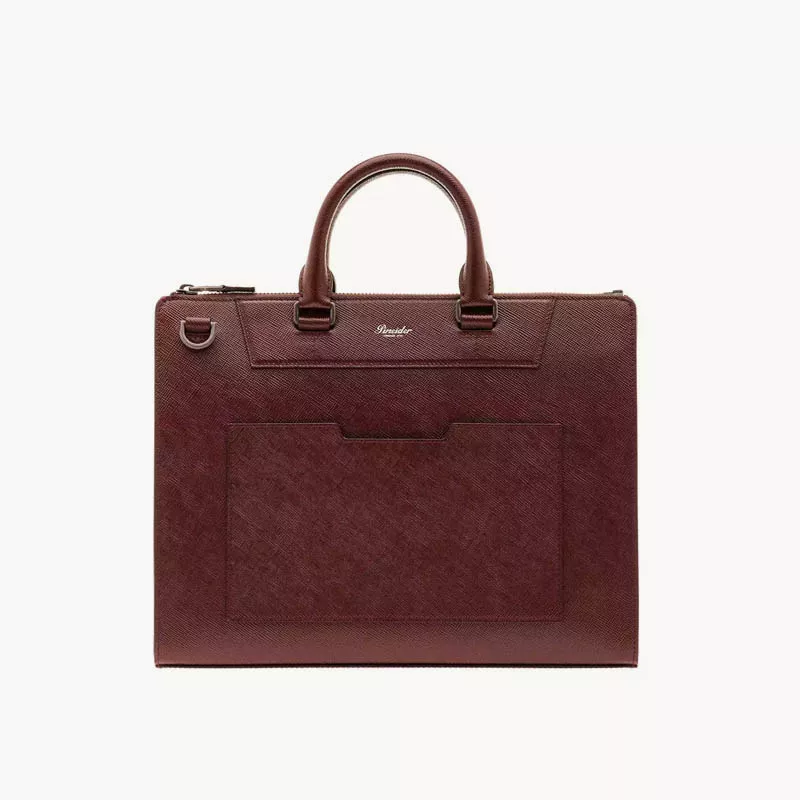
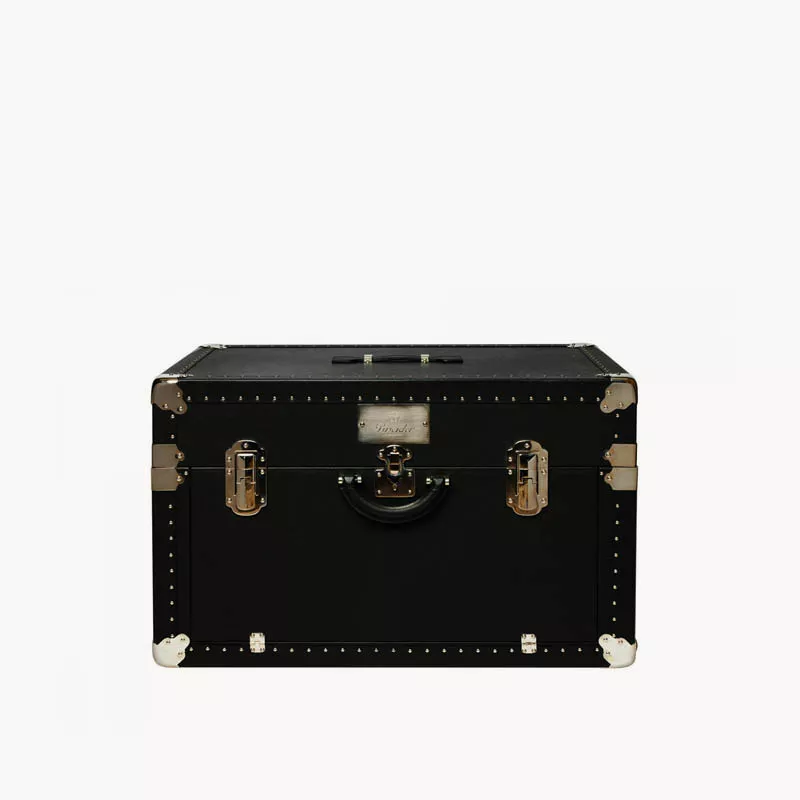
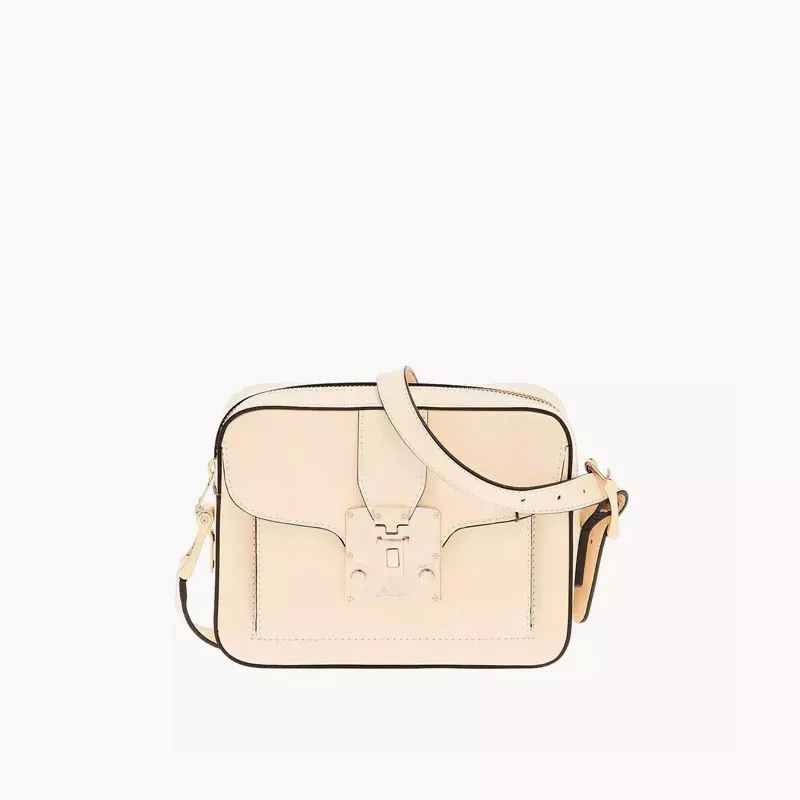
The doctor's bag and the travel satchel, produced by Florentine craftsmen working for Pineider and sold since the early nineteenth century, are still made today, updated in form but unchanged in spirit, among the most sought-after leather goods in the brand's boutiques.
Other gathering places in the city included the foyer and the boxes of the Teatro della Pergola, where in 1834 Antonio Meucci had installed the world's first acoustic telephone for communication between the stage and the backstage crew; and the Caffe Doney, where English tourists, Austrian officers, French art historians, boisterous Russians, Italian intellectuals, and Florentine nobility lounged over conversation, ideas, and invitations. Within Florence's walls lived two thousand foreigners, and by 1841 a branch of Thomas Cook's travel agency had already opened on Via Tornabuoni.
It was in 1807 that Madame de Stael had described Florentine life in her autobiographical novel Corinne: "Every afternoon one goes for a walk along the Lungarno and spends the evening recounting that one was there." Fifty years later, Florence had not changed. In 1859 Tuscany was occupied by the troops of the Kingdom of Sardinia, and in 1860, in the course of Italian unification, it was definitively annexed. In what we would now call the collective imagination, Florence was the perfect penultimate stop before Rome, which after annexation would become the new capital of the Kingdom.
The encounter between the Piedmontese and the Tuscans was initially unhappy. When the Chamber of Deputies approved the transfer of the capital to Florence on November 19, 1864, there were clashes and several deaths in Turin. Finance Minister Quintino Sella allocated seven million lire for the relocation of Piedmontese officials, bureaucrats, and state administrators, and rents immediately shot up, forcing Florentines out of the city center. The satirical journal Il Lampione mocked the newcomers, calling them "buzzurri", uncouth bumpkins. For their part, the Piedmontese were issued a vademecum explaining local customs: women lingering in doorways, small houses without courtyards, the heavy Tuscan diet. Florentines and Torinesi found each other mutually unattractive, awkward, and primitive. Pastry shops flourished, Giacosa and Rivoire among them, both still standing today. The mutual incomprehension was total, not least because the Piedmontese spoke in dialect, "a barbarous tongue."
On May 14, 1865, the statue of Dante was unveiled in Piazza Santa Croce. The rulers of the new Kingdom invoked his name and his role as the unifier of language and nation. The writer Edmondo De Amicis, who had come to Florence to edit a newspaper, joined the already crowded ranks of intellectuals, poets, and writers who turned to Pineider for the instruments of their work: paper, nibs, reproductions, leather goods. Piedmontese architects also arrived, commissioned to modernize public buildings. The government gave them free rein, while the Commissione Conservatrice degli Oggetti d'Arte e dei Monumenti, a committee of art historians charged with overseeing restorations, was effectively rendered powerless. The renovation work at Palazzo Vecchio, the Teatro Mediceo, Palazzo Medici Riccardi, and other buildings destined to house government ministries was overseen by the Sicilian-Piedmontese architect Carlo Falconieri, whom Il Lampione branded "the barbarous engineer descended from Turin."
If the Florentines grumbled, the Pineider heirs were instead living a new golden age. Having been official suppliers to Napoleon, they now held that distinction for the Royal House and the Kingdom of Italy. They had no rivals, no one could match their capacity to satisfy the qualitative and quantitative demands of a nation. The cast of characters in the salons had changed: now it was the Piedmontese scholar Angelo De Gubernatis; the leaders of the international left passing through Florence, Bakunin, Alexander Herzen; and the writer Giovanni Verga, newly arrived from Sicily, who right there in Florence, in Pineider notebooks, drafted his first literary success, Storia di una capinera. The Pineiders had long understood the importance of printing pocket guides to the city, maps, views, information, but their entry into a larger nation now led them to publish further afield: guides to the Moncenisio rail lines, to Vatican City, and eventually to Rome.
The first photographs were beginning to circulate, and their reproductions complemented the older tradition of copper engravings, the illustrated postcard was born. Tourists could now show people back home the places they had visited, aided by a postal service that had spread rapidly since mid-century. Florence was at the forefront of photography: in 1852 the city had been home to the world's first commercial photography company, the Fratelli Alinari, whose image archive Pineider drew upon, printing, for example, a photographic reportage devoted to the places of Dante's Divine Comedy.
Despite the differences and mutual suspicions between Piedmontese and Tuscans, the Savoyard nobility also wanted their crests engraved on copper or steel, often enhanced with watercolor, rendered with the goldsmith's precision that was the hallmark of Pineider's prints. And all the while, the custom of exchanging calling cards was growing at a furious pace, on colored paper, gold-edged, or embossed, and illustrated cards bearing images of villas and palaces were sent from one household to another. In a world increasingly crowded with merchants, tourists, and travelers, there was an ever greater need to confirm and assert one's identity with monogrammed stationery and letterhead.
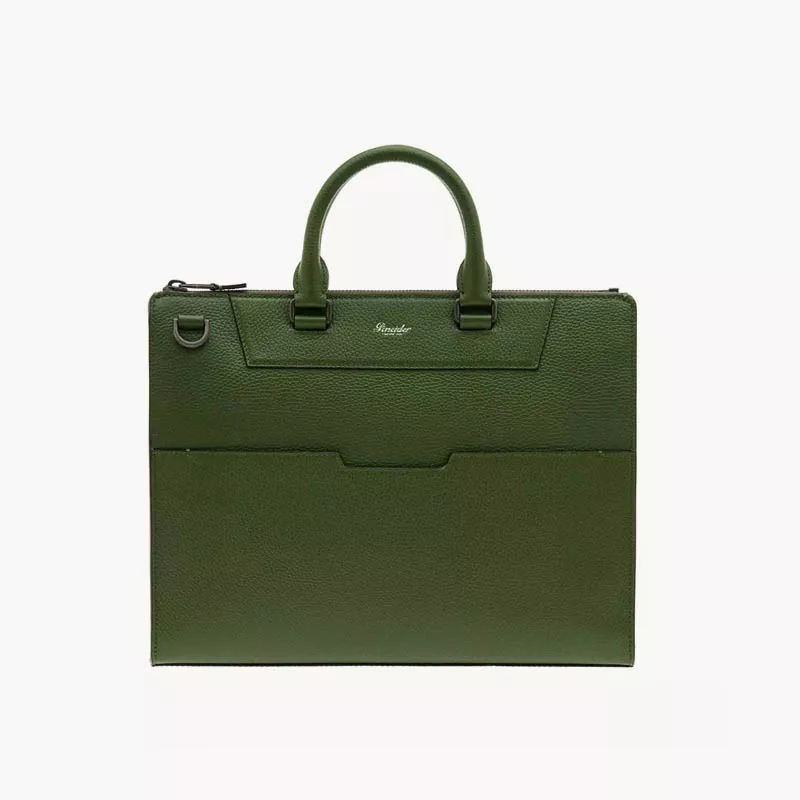
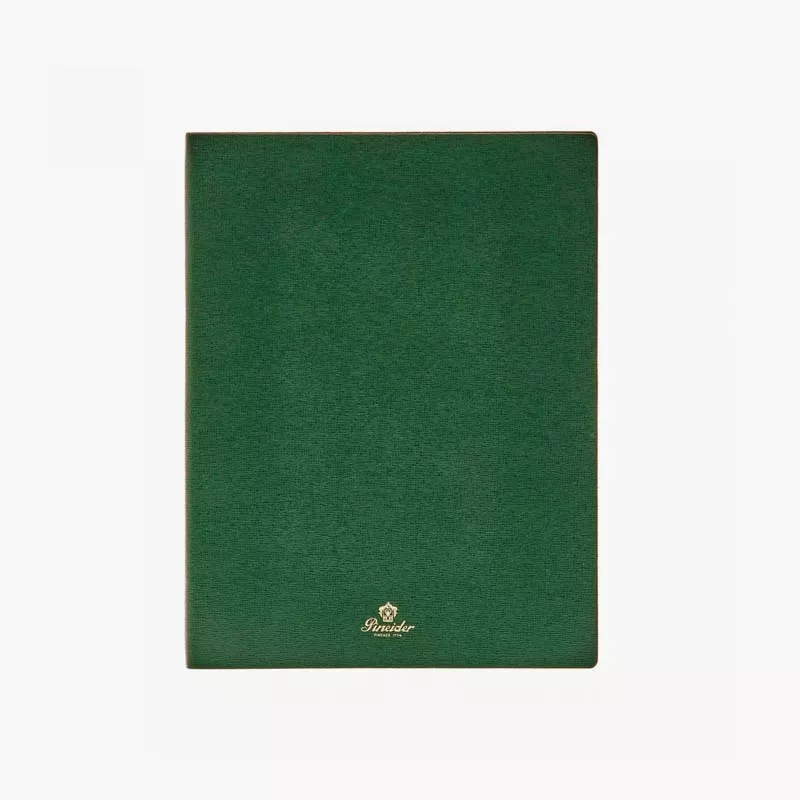
The Piazza della Signoria shop had by now grown considerably. We see it in a photograph: three grand display windows surmounted by the name "Francesco Pineider." The word "Chincaglierie" has disappeared, replaced by "Fotografie" and "Casa fondata nel 1774." Pineider was already capitalizing on its own history, already recognizing it as unique. An 1878 advertising leaflet lists two Florentine addresses: the historic one in Piazza della Signoria and a new one in Palazzo Corsi on Via Tornabuoni. Both shops sold the famous Florentine lily papers, for lining books and drawers, along with desk accessories: nibs, inkwells, inks, and cases. And then the paper knives for opening envelopes and cutting uncut pages; boxes to hold correspondence; the Louis XVI writing set, first produced in the early nineteenth century and continuously manufactured ever since. Chief among the offerings were briefcases and bags in boar leather, black, brown, or forest green, the green of the pines of the Pinei pass. Merchants and travelers bought them: supple and durable, designed to be carried on horseback, in carriages, on trains and trams. The leather was shaped over a wooden form and hand-polished with beeswax; its surface enriched with decorations in pure gold.
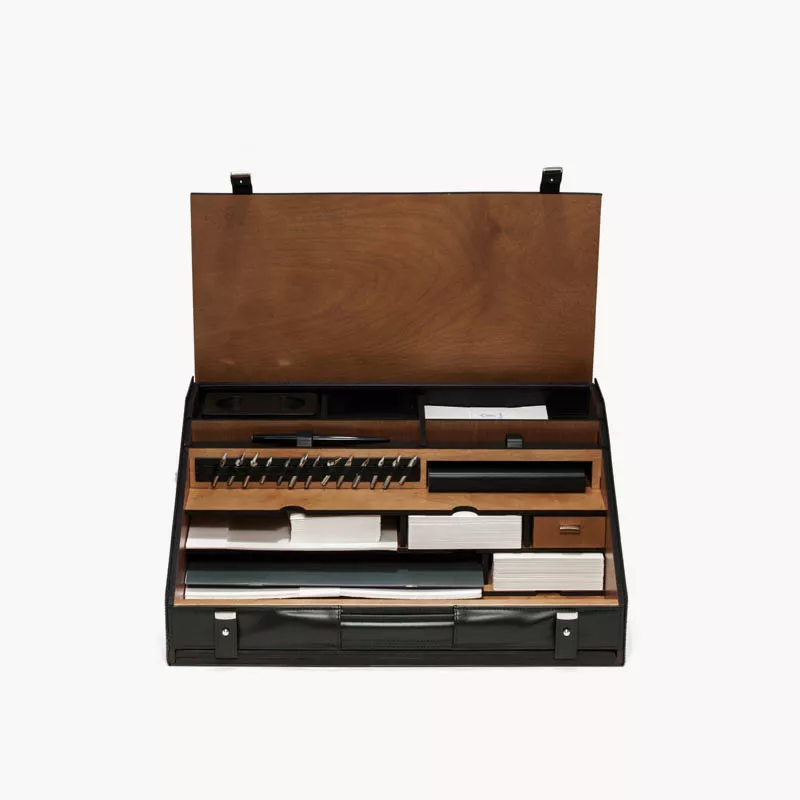
It was in those years that the travel writing desk began to be produced, an essential object for anyone who faced a long ocean voyage and needed a portable writing surface. It came as a large fitted case containing nibs, pen holders, pencils, deckle-edged papers with ragged borders, sheets in various formats, notebooks, cards, envelopes, and ink. This writing desk has been so enduringly successful that even today, a century and a half later, it is still produced in cherry wood and smooth black calfskin with chrome fittings and the same essential contents, a complete writer's kit. It can be personalized, in the choice of both leather and supplies, as can every Pineider product.
By the final decades of the nineteenth century, Pineider had become a brand that conferred status, adopted by elites eager to distinguish themselves, in need of signs of belonging to a cultivated, elevated social class. One must remember that roughly ninety years after Francesco Pineider's arrival in Florence, the census of 1861 had documented that in Central and Northern Italy 54% of the population was illiterate; in the South, 87%. The national illiteracy rate was 72% among men and 84% among women.
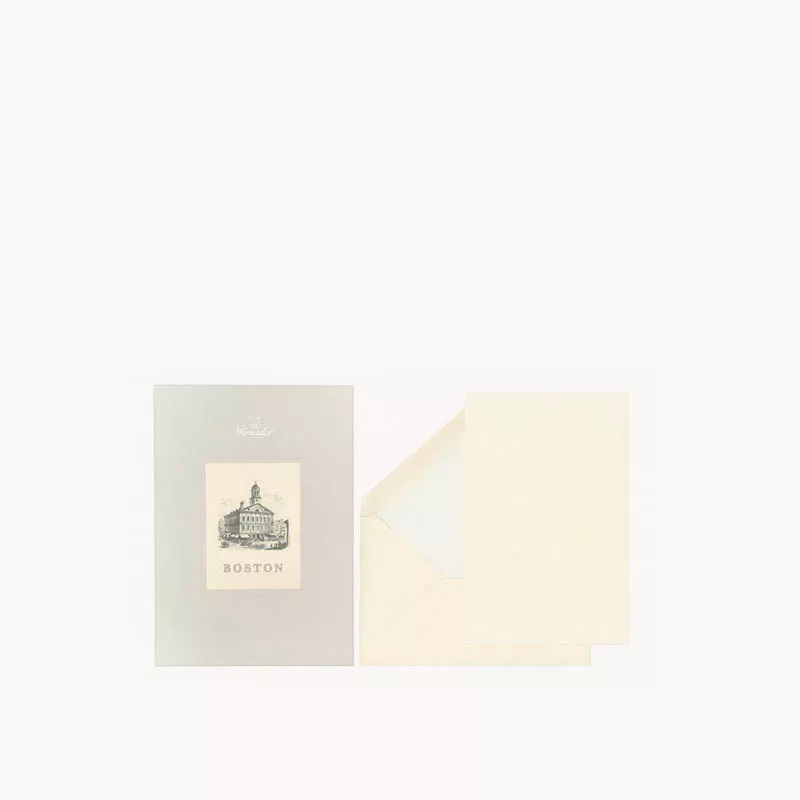
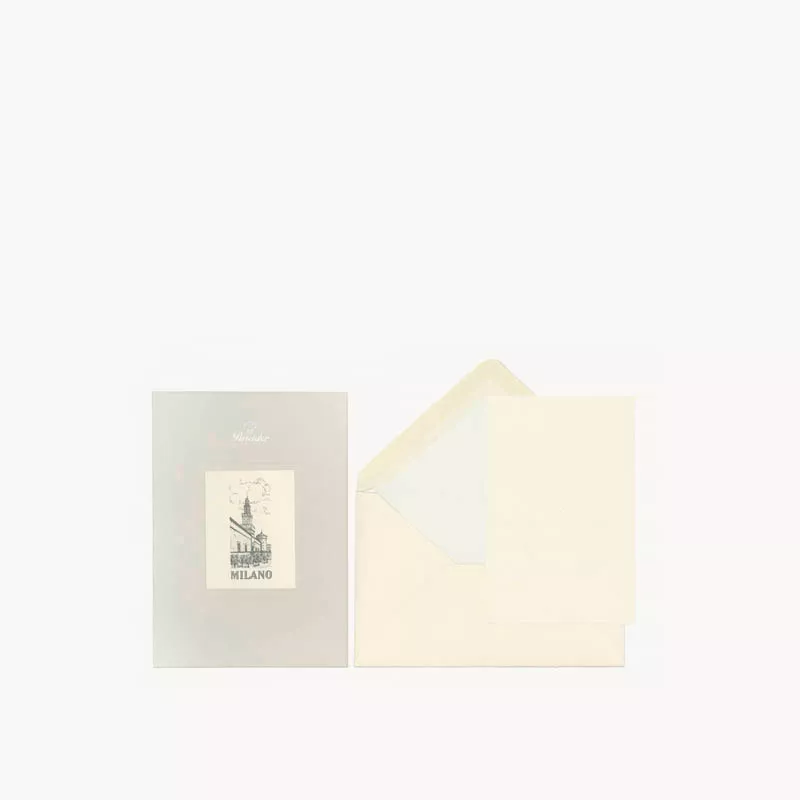
Pineider was by then at the forefront of printing technology. The old press had given way to semi-automatic imported machines that allowed for greater print runs. In those same years, the first artisanal production runs were born, souvenir papers and letterheads baptized with the names of cities in unified Italy: Capri, Siena, Milan, Vatican City. We can imagine the pride of a small city like Florence, now capital of the Kingdom of Italy. The old walls were torn down; grand boulevards were created; new rail lines and stations were built. Steam-powered streetcars connected various parts of the city; a tram ran up to Fiesole. The Macchiaioli painters depicted Florence and its splendid surroundings. Hotels multiplied, floating cafe-concerts appeared on the Arno, goldsmiths' shops proliferated on the Ponte Vecchio, and advertisements were plastered across every wall. Pineider expanded its printing of menus and wine labels, and gradually began producing lighter and lighter bags and briefcases, now without inner lining, with serigraphed motifs printed on the reverse side of the leather.
In 1870, with the breach of Porta Pia and the withdrawal of Napoleon III's troops from Rome, Florence prepared to step aside. Italian unification was completed in 1871 and Rome became the new capital. Pineider, by now an indispensable supplier to the House of Savoy and the Kingdom of Italy, also opened in Rome, on the Piazza di Spagna. New printing technologies made it possible to produce xylographs from woodblock engravings and lithographs from stone. Henry James, during his devoted pilgrimages to the city he loved, wrote The Diary of a Man of Fifty in Florence, on Pineider notebooks. The demand for wedding announcements was growing furiously. Aristocrats, upper bourgeois families, and ruling dynasties commissioned them from Pineider: fanciful or rigorous, plain or on paper as intricate as a lace handkerchief, with added commemorative sonnets or bearing only names and places.
By now, the company's powerful development was no longer tied exclusively to the city where Francesco had founded his shop a century before. Meanwhile, the Pineider generations succeeded one another until a rupture occurred: in 1894 the brothers divided the business, but the brand would continue under family management for another ninety years.
In the years that bridged the new century, the first Futurist movements were taking shape in Florence among the habitues of the Caffe delle Giubbe Rosse, which became the most important literary gathering place in Italy. There the founders and contributors of the literary journals Lacerba and La Voce convened: Ardengo Soffici and Giovanni Papini, Aldo Palazzeschi and Dino Campana, Ottone Rosai and Tommaso Landolfi, Eugenio Montale and Elio Vittorini. Throughout both World Wars, this cafe remained the center of an artistic, philosophical, and literary community that, of necessity, turned to Pineider for its working materials. Between the wars, Florence would also see the birth of a celebrated fountain pen company, Tibaldi, built on a Pineider patent from 1884 for ebonite pens.
As the twentieth century unfolded and the telephone became ever more widespread, the sending of handwritten messages and cards gradually declined, how many novels and films turn on a servant dispatched to deliver a crucial letter who clumsily loses it or allows it to be intercepted. Yet the prosperous bourgeoisie wanted more than ever to mark their weddings, births, celebrations, and bereavements in style. In Pineider's shops, people who had recently attained security and comfort, and who hungered for the distinguishing marks of the more established classes, sought the advice of knowledgeable clerks on typefaces, papers, formats, and wording, wanting to be a la page while observing the rules of etiquette. They placed their trust in the arbiters of a taste they were still in the process of acquiring.
Pineider accompanied its clients through the defining passages of life: those that called for products centered on paper, for commemorating events, for the everyday flow of letters and notes, for agendas, writing pads, notebooks, and address books, but also for the enduring solidity of leather, which made a statement. Briefcases and bags, desk sets, wallets, document holders. Every object, including writing instruments, bridged the past, the value of a style and a prestige earned by the brand, with present professional and social aspirations. Their quality guaranteed durability. As the century deepened, owning Pineider's high-craft goods came to represent a bridge between the solidity of the past and the ambitions of the future. The twentieth century was also the century that invented and cultivated the cult of celebrity.
Gabriele D'Annunzio worked ceaselessly at the construction of his own myth. Could he have written on just any paper? He would write only, with all the impetuousness of an aesthetic gesture, on Pineider monogrammed sheets, deckle-cut so that their ragged edges made them instantly recognizable. And Marlene Dietrich? Luchino Visconti? Luigi Pirandello? Maria Callas? Rudolf Nureyev? All of them, across the unfolding decades, united by the Pineider watermark and by the cult of objects from the Florentine house. Despite the progressive decline of handwritten communication in favor of the telephone, Pineider had come to embody a consolidated prestige made of history, artisanal quality, and the testimony of an illustrious Italian identity. The invitation to a party, the desk of a professional's study, the briefcase carried on a journey, the note of love or thanks, the defining moments in the lives of those who aspired to professional and social success, and of those who had already achieved it, continued to be marked with the products of a brand whose prestige Pineider increasingly was.
To give just one example: one day in 1972, while in Rome, Liz Taylor decided that the writing paper she used would have to match the color of her eyes. She commissioned it from Pineider, and the craftsmen selected natural violet pigments that echoed the shade of the American star's gaze. One can only imagine how many letters of love and rage and heartbreak she would go on to write to Richard Burton on those sheets, some perhaps dampened with tears, whole stacks perhaps crumpled and hurled across the room in one of her celebrated rages. Oriana Fallaci was a star too, in the world of journalism, ideas, and narrative. Profoundly Florentine, though a citizen of the world, she never gave up writing her letters and messages on Pineider's precious paper, even during the years she lived in New York.
The brand's story seemed to run without stumbling: having navigated brilliantly through the succession of political regimes that had come and gone in nineteenth-century Tuscany, Pineider endured, its allure intact, through the political upheavals and two World Wars of the twentieth century. In the end, it was not warfare that upended the Florentine company and forced the Pineider family to start again from nothing. Nearly two centuries after the founding, after surviving the catastrophic first half of the twentieth century with its prestige undiminished and indeed internationally enhanced, the Arno river overflowed its banks on November 4, 1966. In Piazza della Signoria, the company's main location went underwater, along with the entire archive. Printing presses, stocks of fine paper, the archive of engravings, the printing equipment, the company's entire history: all of it was submerged in mud, and much of it was lost forever. Only the printing plates bearing the names and crests of clients who had never reclaimed them were saved.
Yet even in that calamity, the Pineider brand was so singular, so thoroughly Italian, so simultaneously artistic and artisanal, so adept at expressing refinement, exclusivity, tactile pleasure, and personalization, that it continued to be fervently sought after and became, as they say in fashion, increasingly iconic. The pivot of the nineteen-sixties, with the global explosion of Italian design, allowed Pineider to propose collections conceived according to new contemporary taste, particularly in leather goods, where innovative lines were introduced while maintaining the quality of high craftsmanship and the connection to its own roots. The result was an ever stronger and more central position in the world of lifestyle and luxury.
One day in the late nineteen-eighties, Diego Armando Maradona, then at the peak of his footballing career, a man one would hardly imagine as having either the inclination or the time for writing, and who had no need of a business card to establish his identity given that he was one of the most famous people on earth, walked into a Pineider shop and asked to buy the most expensive object in the store. He wanted to own something by Pineider: not personalized stationery, which was of no use to him, but a bag, a pen for signing autographs, a briefcase, something bearing the Pineider mark that he could display as a certificate of nobility, not merely footballing.
The twentieth century had seen the international consolidation of Pineider's prestige. Now came the year 2000, the year the film American Psycho was released, based on Bret Easton Ellis's celebrated novel. The plot follows New York yuppie Patrick Bateman, played by Christian Bale, who descends into madness and becomes a killer after being humiliated by the superiority of a colleague's business card. That card bears the Pineider watermark. Even in New York, and in Hollywood, where the film was written and produced, Pineider confers status, provokes admiration, and stokes the desire for emulation. It is the theory of "mimetic desire" advanced by the philosopher Rene Girard: desire is imitative; we tend to want what we see desired by famous and influential people. That imitative desire, Girard argues, can lead to competition, and in some cases, to conflict. As in American Psycho.
To take stock: in the eighteenth century, the nineteenth, the twentieth, and the twenty-first, Pineider's products have been chosen by aristocrats and monarchs, presidents and ministers, stars of cinema, opera, and the podium (Riccardo Muti, for one), of pop music, dance, literature, philosophy, and sport. The breadth of the brand's reach across the world's elites is extraordinary. Nothing like it has happened with any other fashionable consumer object. Writers have rarely coveted the jewelry, the clothes, or the cars favored by aristocrats, or the things pop stars preferred, or the things politicians prized. It has happened only with paper and stationery and leather goods, and only with a single historic brand that still today, centuries on, maintains the same artisanal quality and the same places of production as at the beginning. From noble coats of arms to corporate logos, from saddlebags to rolling luggage, from nib-and-holder pens to fountain pens to ballpoints, Pineider is also sociology, a history of tastes, of etiquette, of the needs and desires of the affluent classes, of the technological shifts and social rituals and idiosyncratic habits that have marked the last two hundred and fifty years.
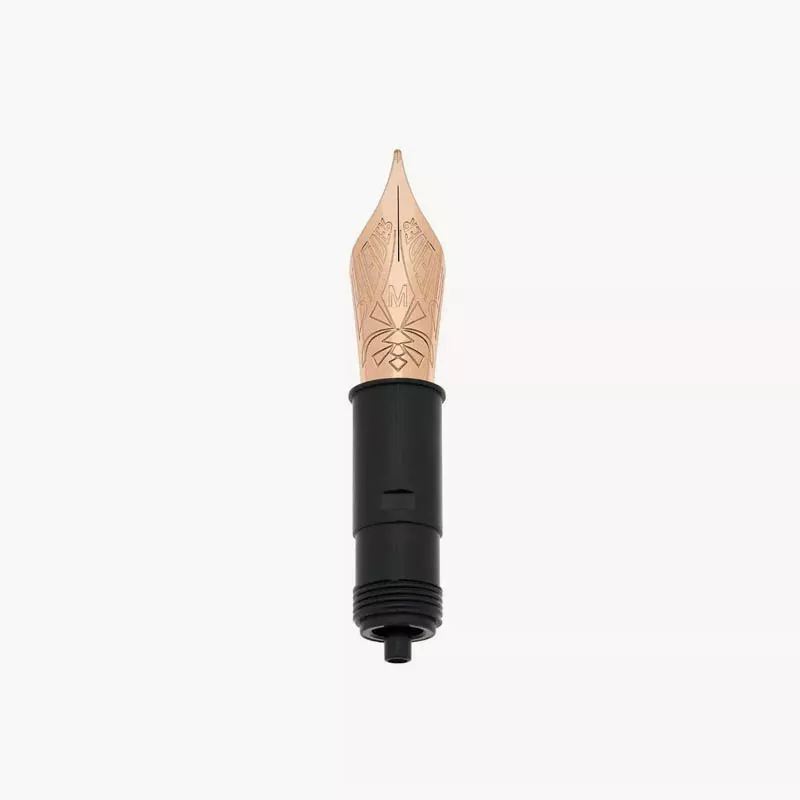
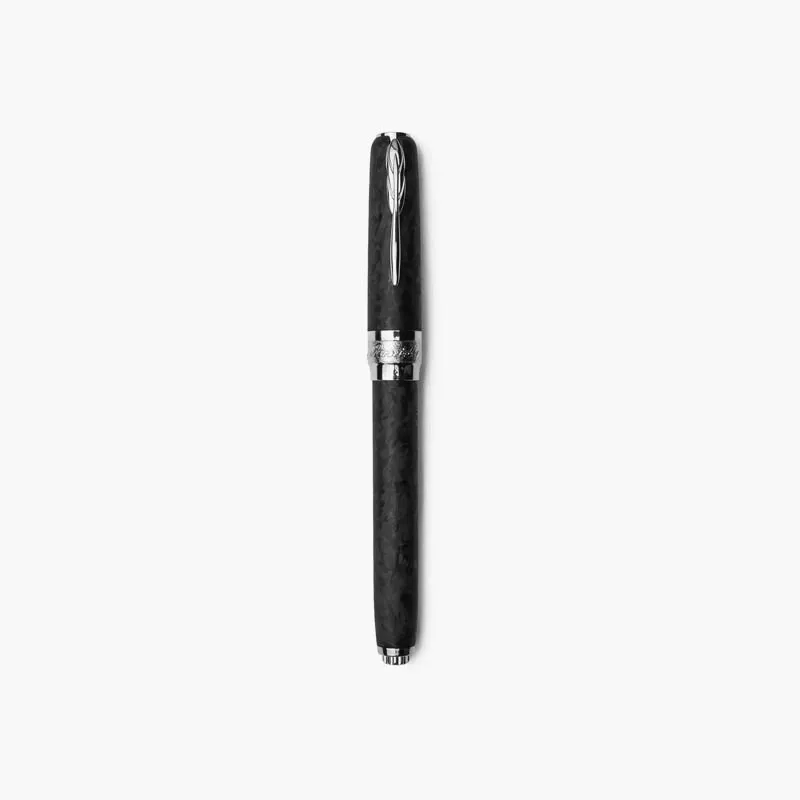
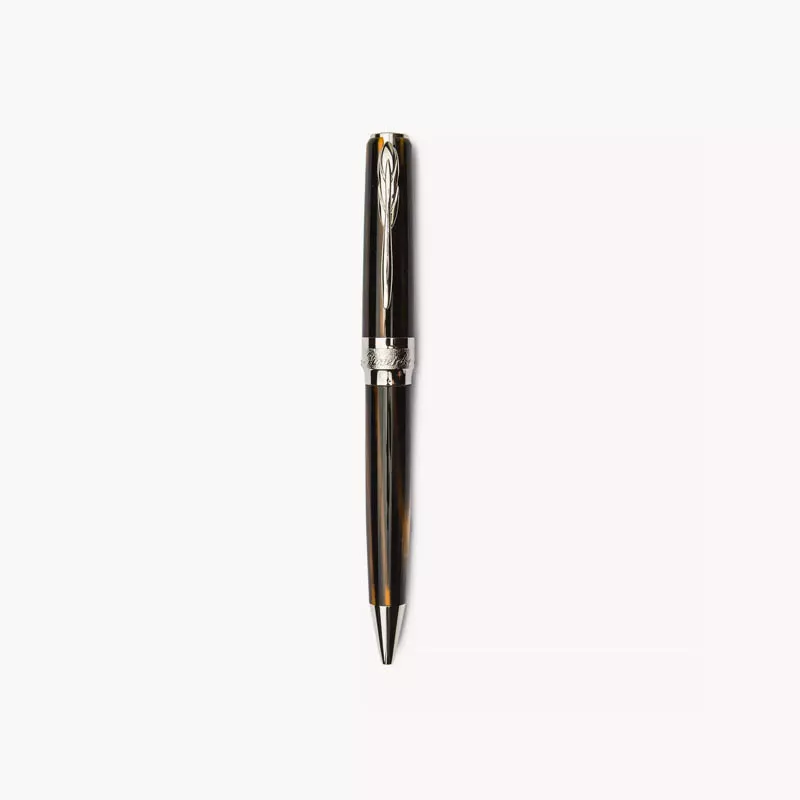
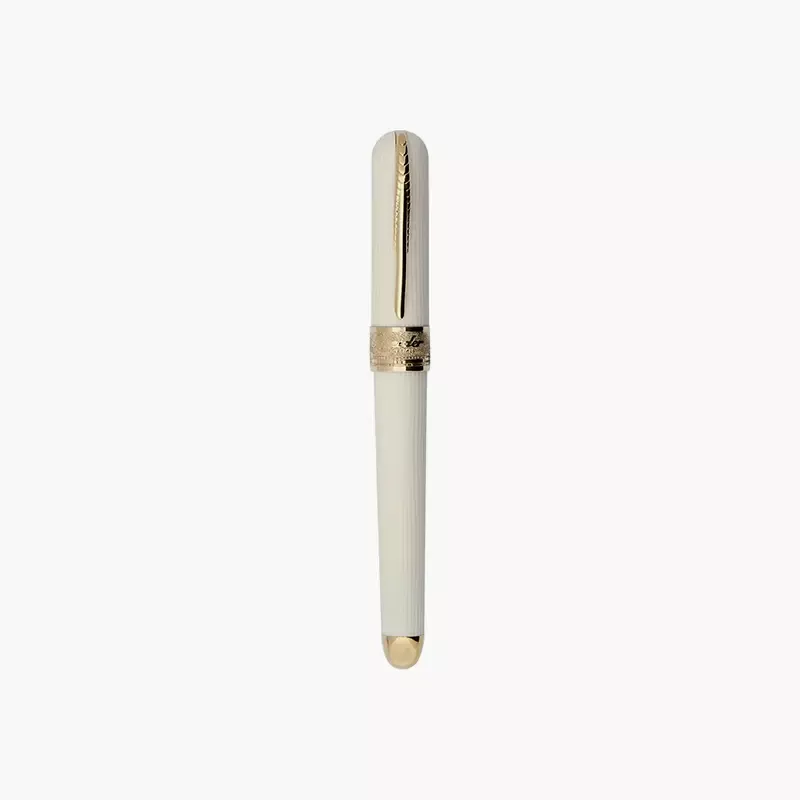
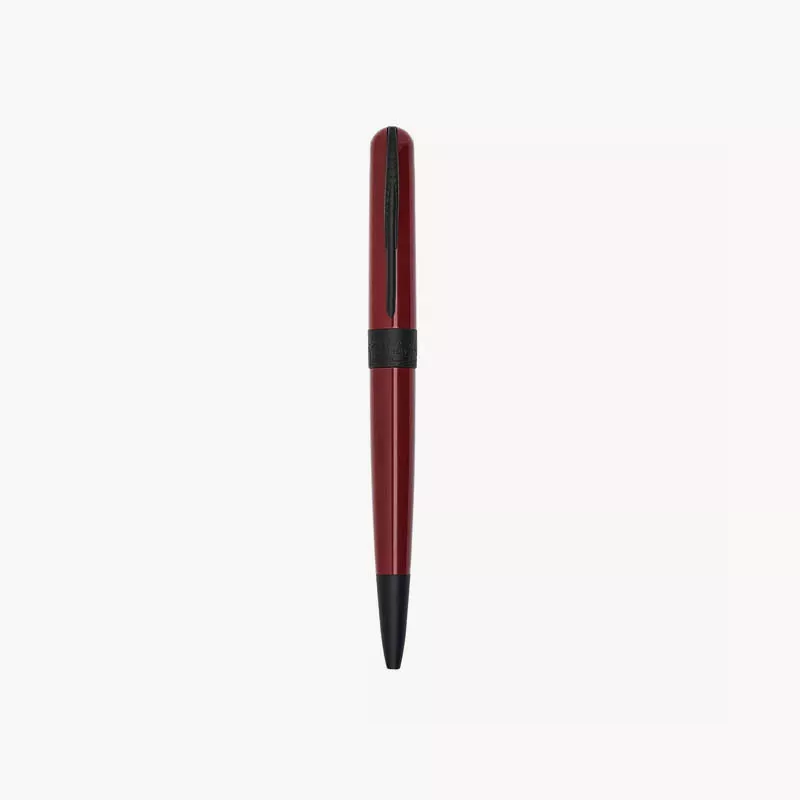
Extraordinary, too, is the brand's capacity to read the needs of travelers: from the bags and accessories designed for the Anglo-Saxon aristocrats of the Grand Tour to the professionals and modern-day globetrotters, adapting to new demands of form, design, and portability, all without ever sacrificing the specific artisanal care, the personalization of objects, while adding new eco-friendly, environmentally responsible materials. In the meantime, at the turn of the new century, now the third that Pineider has witnessed, new collections of fountain pens, ballpoints, and rollerballs have been created, inspired by the great classics of cinema (most recently the La Grande Bellezza collection). The brand has appeared on screen again in the film Comandante, on the desk of submarine commander Salvatore Todaro, who in 1940, in an act of extraordinary heroism, saved the lives of 26 enemy sailors. His role is played by Pierfrancesco Favino, who also performed the Pineider Manifesto in an intense, poetic video: "History, a whispered chorus of pens singing time across pages and sheets, an ancient ballet of letters conducted by punctuation..."
The Florentine brand, which had already supplied pens to the White House and for the Jubilee of 2000, has been selected for the institutional stationery and gift procurement of the Ministry of Foreign Affairs and, more recently, of the new Ministry of Enterprises and Made in Italy, as a brand synonymous with Italian tradition, manufacturing art, elegance, and luxury. Innovation in product design has also been shaped by three significant collaborations: with Poltrona Frau, with designer Massimo Giorgetti, and with jewelry creator Carolina Bucci.
With the new century, Pineider's presence on international markets has strengthened further, through exclusive boutiques and through partnerships with distributors in the world of luxury. In Europe, Dubai, the United States, Japan, South Korea, and China, the brand created in 1774 by a young Tyrolean named Francesco Pineider is today a byword for what is called "quiet luxury", an unostentatious refinement, a muted, classical elegance. The new collections transcend time and fashion while speaking to contemporary taste, and one can surely imagine that Francesco would have been proud of the centuries-long endurance of the brand he created, of the reputation that has crossed centuries and oceans to spread across the world, carrying forward the spirit of modernity and the instinct for international commerce that already belonged to the late eighteenth-century Florence of Pietro Leopoldo, when a young Pineider opened his shop on the Piazza del Granduca.
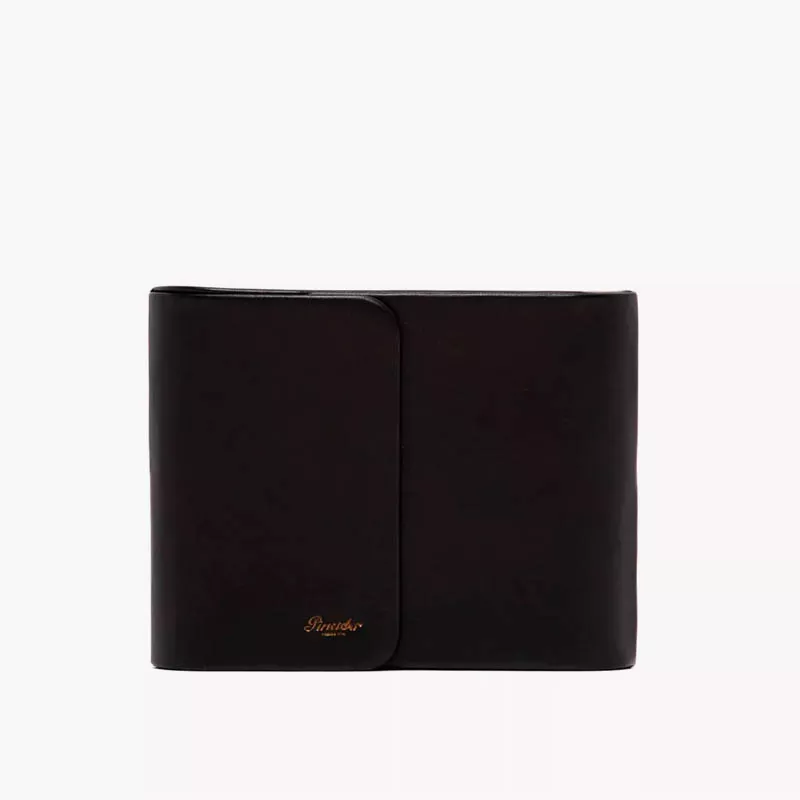
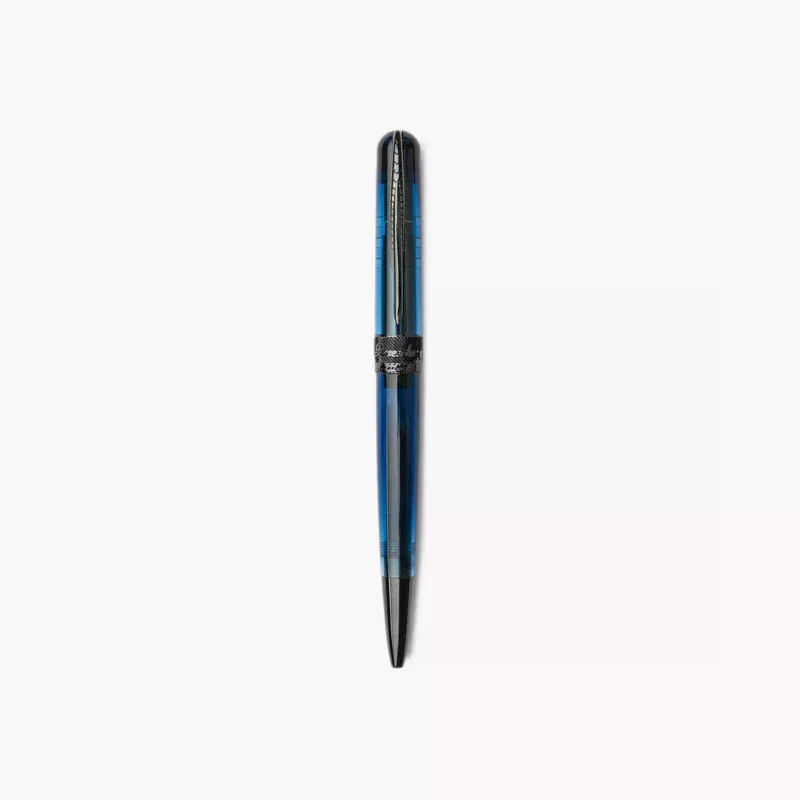
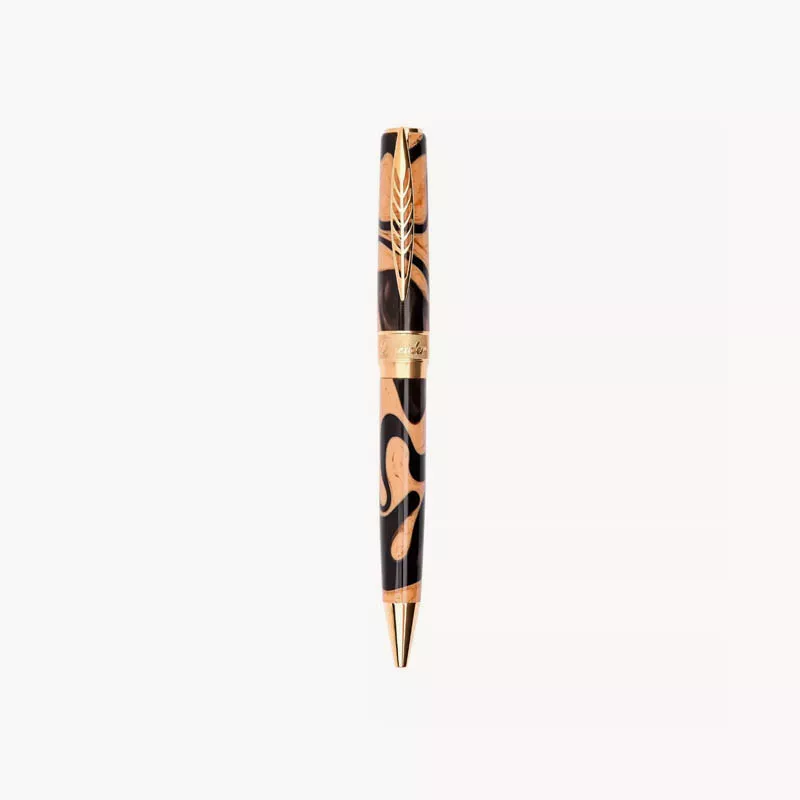
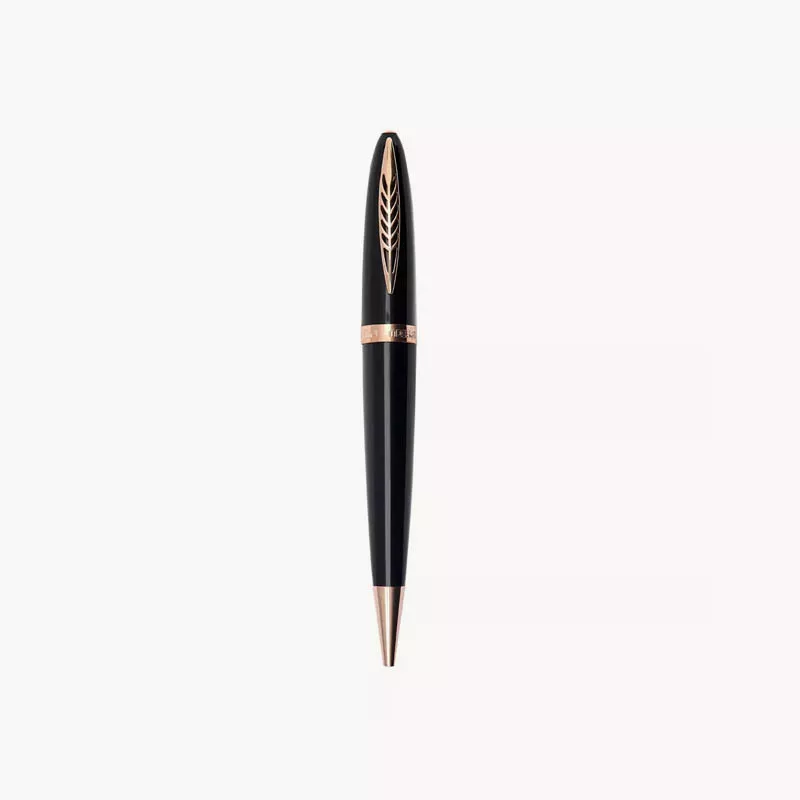
Three categories now bring together what from the beginning of the nineteenth century has represented the Pineider world: leather goods, writing instruments, paper.
Now that pilgrimage trails are back in fashion, along with screen-free living and the slow life, handwriting is back in fashion too, and with it the pleasure of running one's fingers across the precious papers of this eighteenth-century startup. The green of the pines at the Pinei pass, today Pineider green, recalls the roots and the patrimony built from the entrepreneurial spirit and the passion for high craftsmanship of a man born in the eighteenth century, who arrived in Florence after growing up among the Dolomitic forests of a foreign country. It teaches us that beyond the circumstances of one's birth, it is the will and the genius of individuals that lay the first stone of a success story, one that will go on to involve countless people across the centuries: customers, employees, collaborators, and the citizens of the country that made it possible to build, through work and passion, an Italian brand celebrated around the world.



You will also be able to have preview access to all the news and future promotions from the Pineider world. *The welcome code cannot be combined with other ongoing promotions.